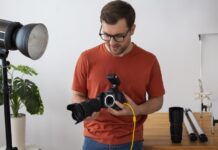

Discover how to upgrade your photographic equipment without breaking the budget. The world of used photography equipment is large and full of opportunities for both aspiring and professional photographers.
Buying used equipment is a good decision for photographers looking for high-quality gear at a fraction of the cost. Not only does acquiring used gear provide you access to high-end brands that would otherwise be out of reach, but it also allows you to invest in many pieces of equipment, so increasing your creative powers. Furthermore, many used items are thoroughly examined and come with warranties, giving you peace of mind while making your purchase.
This list will cover leading companies known for producing dependable used equipment, like KEH Camera, MPB, B&H Photo Video, Adorama, and Used PhotoPro. We will present useful advice for navigating the used market, emphasize the benefits of purchasing used equipment, and explore potential pitfalls to avoid, allowing you to make informed decisions throughout your photography journey.
Why Choose Used Photography Equipment?

Here are some strong reasons to seriously consider purchasing secondhand photographic equipment when building or updating your gear:
Cost Savings
One of the most compelling reasons to choose secondhand photographic equipment is the huge cost savings compared to buying new. Photographers can frequently acquire high-quality gear for a fraction of the retail price, allowing them to better focus their budget and invest in other accessories or equipment.
Access to High-End Gear
Buying old equipment gives you access to professional-grade cameras and lenses from well-known manufacturers that many photographers would otherwise be unable to afford. This access allows users to improve their skill, experiment with other styles, and produce beautiful results without the high cost associated with new products.
Sustainability
Purchasing used photographic equipment also accords with environmental principles. By reusing and recycling equipment, photographers help to reduce waste and the environmental impact of new product development. This makes each purchase a step toward a more environmentally conscientious approach to photography.
Resale Value
Used equipment frequently retains its worth better than new equipment, which depreciates quickly after purchase. This feature can be useful for photographers wishing to update their equipment in the future, since they may be able to recuperate a greater amount of their initial investment by reselling their used gear. This cycle of purchasing and selling helps to sustain both personal budgets and the larger used market.
Top Brands For Buying Used Photography Equipment

When it comes to used photographic equipment, several recognized brands stand out in terms of quality, selection, and customer service. Here’s an overview of some of the best options available to photographers:
KEH Camera
KEH Camera is a well-known name in the used photographic equipment industry, with thorough quality inspections to ensure that all goods satisfy high standards before being sold. This commitment to quality gives photographers peace of mind when acquiring old equipment.
KEH offers a large assortment of cameras, lenses, and accessories from a variety of leading brands. Whether you’re looking for a tiny DSLR, a vintage lens, or vital photographic accessories, KEH has something for every photographer.
One of the most notable characteristics of KEH Camera is the availability of warranty options and customer-friendly return policies. This added layer of assurance gives purchasers confidence in their products since they know they will be supported if any concerns develop after the purchase.
B&H Photo Video
B&H Photo Video is a reputable name in the photographic industry, known for its large inventory and great customer service. The vast variety of items they sell is matched by their dedication to offering excellent tools and support to photographers of all skill levels. Their robust used equipment department is a treasure mine for both amateur and professional photographers, with a wide range of options to meet a variety of demands.
B&H Photo Video sells everything from entry-level cameras and lenses to professional-grade equipment like high-end DSLRs, mirrorless systems, and specialist lenses. Their used inventory frequently includes well-known brands and models that are still in outstanding shape, providing a fantastic chance for photographers to improve their equipment without the considerable cost typically involved with new purchases. Each used item is thoroughly tested to assure quality, making B&H a dependable source for expanding your photographic arsenal.
Adorama
Adorama is a well-known player in the photographic equipment market, offering a diverse selection of used photography gear to both amateur and experienced photographers. Their broad collection ranges from cameras and lenses to lighting and accessories, all with a strong emphasis on client pleasure. Adorama’s devoted team provides detailed product information and customer service, ensuring that buyers enjoy a pleasant purchasing experience.
One of Adorama’s most notable features is its turn-In Program, which allows photographers to turn in their old gear for shop credit. This effort not only simplifies the process of updating equipment, but it also helps photographers recuperate part of their early costs. By taking part in the trade-in program, customers may properly manage existing gear while also benefiting from new additions to their photography arsenal.
To improve the purchasing experience, Adorama provides various financing alternatives for secondhand equipment. These payment plans enable photographers to spread the cost of their purchases over time, making it easier to invest in high-quality equipment without incurring immediate financial strain. This accessibility allows more photographers to pursue their passions while amassing a large collection of photography equipment.
UsedPhotoPro
UsedPhotoPro, a part of Roberts Camera, specializes in offering a wide range of used photography equipment. With an aim to serve both enthusiast and professional photographers, UsedPhotoPro provides a dependable source for high-quality secondhand gear at cheap pricing.
UsedPhotoPro, known for its huge inventory, methodically curates a diverse range of cameras, lenses, and accessories, ensuring that each item passes stringent quality checks. Each ad includes detailed product descriptions that provide insight into the equipment’s condition and characteristics, fostering trust and transparency for potential buyers.
UsedPhotoPro places a high emphasis on customer service, realizing that questions and issues may occur during the purchasing process. Their professional team is always there to help customers with any questions, ensuring a smooth shopping experience catered to the demands of photographers wishing to grow their equipment collection.
Factors To Consider When Buying Used Photography Equipment

When purchasing used photography equipment, it is critical to examine some crucial elements to guarantee that you make a sound purchase.
Condition
Before making any purchasing selections, it is critical to thoroughly analyze the equipment’s esthetic and functional state. This includes searching for apparent evidence of wear and tear, such as scratches, dents, or rust, which might indicate how well the equipment has been maintained. Pay close attention to details, because even slight flaws can have an impact on the device’s overall performance and durability. Additionally, it is critical to evaluate the device’s functionality—check all buttons, knobs, and screens to ensure it runs smoothly and responds effectively. This hands-on inspection might assist you in identifying any potential flaws that are not immediately obvious.
Shutter Count
Understanding the shutter count is critical when comparing used cameras. The shutter count is the number of photographs shot with the camera and acts as an important indicator of its remaining lifespan. Each camera model has a rated shutter life, which varies from tens of thousands to several hundred thousand clicks depending on the brand and type. Knowing the shutter count might help you determine whether the camera still has enough life to satisfy your demands. A lower shutter count typically indicates less wear, but it’s crucial to evaluate how the camera has been used over time, especially whether it’s been exposed to harsh situations or heavy use.
Warranty and Return Policy
When acquiring secondhand equipment, always check to see whether there is a warranty or return policy. Having some type of buyer protection can provide valuable peace of mind by insuring that if any problems arise after the purchase, you can return or replace the equipment. A good warranty will cover repairs or replacements for a set length of time, providing protection against any faults or malfunctions. It is recommended that you read the fine print about what is covered by the warranty and how long it lasts, as well as check the return policy for any applicable conditions.
Age of Equipment
Consider the equipment’s age, which can have a considerable impact on both performance and software compatibility. While older models may have unique features that appeal to some photographers, they may not support current technology or accessories that improve the user experience. For example, older cameras may be incompatible with newer lenses or lack modern networking options such as Wi-Fi or Bluetooth. Strive to strike a balance between purchasing gear that isn’t too out of date and still meets your individual photographic needs. Researching reviews or comparing older and newer models will help you make an informed decision.
Compatibility
Finally, make sure any lenses or accessories you’re contemplating are compatible with your present system. This includes validating mount types, focal lengths, and operation, as mismatched equipment can cause annoyance and additional costs down the road. For example, a lens that does not suit your camera body or lacks crucial functions such as stabilization or autofocus might lead to missed opportunities and a poor shooting experience. By considering these variables, you can make well-informed selections that not only preserve your investment but also considerably improve your photographic experience. Investing time in research and careful examination will eventually yield greater results in your photographic attempts.
How To Inspect Used Photography Gear Before Buying

When purchasing secondhand photographic equipment, a thorough inspection can make all the difference in guaranteeing a sound investment. Here are some key measures to consider:
Physical Inspection:
Begin by closely inspecting the camera’s body and lens. Examine for any visible dents, scratches, or rust that could indicate previous mistreatment. Examine the lens for any dust, scratches, or fungus development that could degrade image quality. Pay great attention to the mount, as any signs of wear may affect compatibility with your current equipment.
Functionality Testing:
Testing the gear’s functionality is critical. Check all cameras’ buttons, dials, and display displays to confirm they work properly. Take a few test photos to determine autofocus performance and image quality. Check the zoom, focus rings, and aperture blades on your lenses. If possible, try attachments such as lights or external grips to ensure they function properly.
Research and Reviews:
Before making a purchase, spend some time doing research. Look for reviews and comments about the specific model you’re considering. Many photographers post about their experiences online, emphasizing frequent issues including overheating, software glitches, and lens compatibility concerns. This information can be extremely helpful in deciding whether to make a purchase.
Ask the Seller Questions:
Do not hesitate to ask the vendor questions. Inquire about the item’s history, including how it was used, its age, and whether it has been repaired. Request information on the shutter count and whether it has been serviced or misused in any way. Understanding the history of the equipment can provide insight into its dependability and lifespan, allowing you to feel more confident in your purchase.
Potential Risks And How To Avoid Them

When purchasing used photographic equipment, it is critical to be aware of potential dangers and understand how to mitigate them in order to ensure a successful purchase.
Counterfeit Products
One of the most serious concerns in the used market is the possibility of counterfeit gear. To prevent falling prey to counterfeit products, buy from trusted merchants or established platforms with a proven track record in the photography industry. Familiarize yourself with the common signs, emblems, and packaging of legitimate products, and constantly question any suspicious offers that appear too good to be true.
Scams and Fraud
Buyers are vulnerable to scams and fraud when conducting purchases online. To protect yourself, use secure payment options like PayPal, which provides buyer protection. Be wary of merchants who ask for unusual payment options or encourage you to complete a transaction quickly. Look for trust cues, such as positive reviews, verified accounts, and well-documented return policies, to assist you discover potential issues.
Hidden Damage
Even if a used camera or lens looks to be in decent shape, hidden deterioration might dramatically reduce performance. To avoid undetected faults, follow the previously specified careful examination and testing method. Request thorough images and, if possible, have the seller demonstrate the equipment’s capabilities over video call.
Overpaying
It is critical to understand the fair market value of the equipment you intend to purchase. Conduct market research to compare pricing from different platforms and sales listings. Knowing the typical cost can help you negotiate better and avoid overpaying for goods. Don’t be afraid to negotiate with sellers to reach a reasonable price that represents the condition and current market trends. By keeping cautious and knowledgeable, you can considerably lower the dangers connected with purchasing used photographic equipment.
Tips For Selling Your Used Photography Equipment

Here are some helpful ideas to keep in mind when selling your used photographic equipment to ensure you obtain the best possible price and a smooth and successful transaction.
Preparing Your Gear
Before you market your photography equipment for sale, clean and refurbish it to increase its appeal. To remove dust and fingerprints, carefully wipe off camera bodies and lenses using a microfiber cloth. Consider using a lens cleaning solution to remove smudges without hurting the glass. If any accessories require minor repairs or replacements, address them to maintain appropriate operation. Presenting your goods in the best possible shape will boost its perceived value and attract potential buyers.
Pricing Strategies
Setting a competitive pricing is important to a successful transaction. Begin by researching similar things across many platforms to have an understanding of current market trends and typical costs. Consider the quality of your equipment, its age, and any accompanying accessories that may enhance worth. It can be beneficial to propose a price somewhat higher than your minimum acceptable figure, leaving opportunity for negotiation. To justify your asking price, highlight the equipment’s unique characteristics or benefits.
Where to Sell
Choosing the correct platform to sell your used photographic equipment will increase your chances of a successful transaction. Popular possibilities include online marketplaces like eBay and Poshmark, as well as photography-specific websites such as KEH and B&H Used. Social media marketplaces, such as Facebook Marketplace, and photography groups on platforms like Instagram, can also be useful. Consider local photography clubs or businesses, which may enable used gear sales and allow for in-person transactions.
Negotiation Tactics
When it comes to accepting proposals, be willing to bargain while keeping solid on your pricing. Respond to questions promptly and make it clear what your best offer is. If a potential buyer makes a lower offer, analyze the context—did they have a reasonable reason? To develop goodwill, respond to their offer with respect and a kind tone. If you reach an agreement on a price, finish the sale as soon as possible while confirming payment methods and, if required, delivery details so that the transaction runs smoothly.
Conclusion:
Buying used photography equipment offers numerous advantages for both novice and experienced photographers. One major benefit is the significant cost savings associated with second-hand gear. High-end equipment that may have been financially out of reach when new becomes accessible in the used market, allowing photographers to upgrade without straining their budgets and invest in quality tools that enhance their craft. Additionally, choosing used gear supports sustainability by reducing waste and encouraging a more eco-friendly approach to photography. By opting for pre-owned items, photographers contribute to a circular economy that emphasizes reusing and recycling resources.
Beyond financial benefits, purchasing used gear provides an opportunity to acquire items that hold their value well over time. Many high-quality photography products have a strong resale market, enabling photographers to buy and later resell their equipment with minimal loss in value. This makes it easier to try out different gear and upgrade to newer models without significant financial repercussions. By investing wisely in used equipment, photographers can expand their creative capabilities while being financially prudent.
Before entering the second-hand market, photographers should conduct thorough research and inspect the equipment carefully. Ensuring compatibility with existing gear is crucial; mismatched components can lead to frustration. Additionally, checking the condition of the items is essential, as wear and tear can impact performance. Understanding warranty and return policies is also important, providing peace of mind if the equipment doesn’t meet expectations. By taking these precautions, photographers can make informed decisions, avoid potential pitfalls, and maximize the benefits of their used gear purchases.